









First, check the label: down or synthetic. In either case, wash at 30°C on a delicate cycle, with a gentle spin cycle (no more than 800 revolutions per minute) and a mild detergent, without fabric softener. Drying depends on the Filling : down will fluff up again in the dryer on a low heat setting with two tennis balls; down-style hooded jackets Fudoon, filled with synthetic fiberfill, should be dried without a dryer, either on a hanger or laid flat.
This guide follows the steps of a laundry cycle: preparation, cycle selection, washing, and drying. One section is dedicated to hoods Fudoon, which are filled with polyester batting, along with the exact instructions from their product page.
Before washing: the label (down or synthetic) and the pockets
Down or Synthetic: What the Label Says
The label sewn inside—often at the collar or along a side seam—indicates the composition of the Filling. “Duvet,” “feathers,” “down,” or a percentage such as “90/10” refer to natural Filling . “Polyester,” “batting,” or the name of a synthetic insu indicate a synthetic Filling . The symbols indicate the maximum temperature and whether tumble drying is permitted: a square crossed out with an X indicates that it is not allowed.
Fudoon 's down-style hoods are filled with 100% polyester batting certified to the OEKO-TEX Standard 100 and contain no feathers or down. They therefore fall under the synthetic category.
Prepare the down jacket
- Empty your pockets: a forgotten tissue will fall apart into lint that sticks to the fabric.
- Close the zippers and snaps, and either open the Velcro strips or fold them back on themselves so they don't snag the fabric.
- Turn the down jacket inside out to protect the outer fabric.
- Clean the detergent dispenser: Fabric softener residue from a previous load ends up in the drum.
- If you have a top-loading washing machine, place the down jacket in a laundry bag.
The right cycle on the washing machine: temperature, spin cycle, detergent
Select the delicate, synthetics, or “down jacket” cycle if your machine offers one. The settings that matter:
- Temperature: 30 °C. This is the setting recommended by most brand guides, for both down and synthetic fill. Hotter water damages the water-repellent treatment on the outer fabric.
- Spin cycle: gentle, between 400 and 800 revolutions per minute. A high-speed spin cycle causes the " Filling " to bunch up and puts strain on the seams.
- Rinse: twice. An extra rinse removes any remaining detergent, which can cause the down to clump together and make the fabric look dull.
- Load: one down jacket at a time, along with a few other lightweight items to balance the drum. Two or three clean tennis balls in the drum help distribute the down during the wash cycle.
After taking the jacket out of the washing machine, never wring it out. Gently squeeze it, or roll it up in a clean towel to absorb the water without pulling on the seams.
What kind of laundry detergent should you use, and why should you avoid fabric softener?
Conventional powdered laundry detergent often contains enzymes, fragrances, and optical brighteners. When used on a down comforter, it strips the feathers of their natural oils, causing them to become brittle and lose their loft. When used on technical fabrics, it wears down the water-repellent treatment.
Instead, try this:
- For down: a liquid detergent specifically designed for down, sold at sporting goods stores;
- For synthetics: a mild liquid detergent or a detergent designed for technical fabrics.
Fabric softener should be avoided in both cases. It leaves a greasy film on the fibers: down clumps together and loses its loft, synthetic batting compresses, and water-repellent fabric allows water to seep through.
How to Dry a Down Jacket Without Flattening the Fill
How you dry your jacket determines its condition after washing, and the instructions differ between down and synthetic fill.
Down or feather-filled jackets: tumble dry on low heat with dryer balls
If the label permits it, the dryer is the method recommended by manufacturers for fluffing up a down jacket:
- Set the temperature to the lowest setting (or low to medium, depending on the label);
- Add two clean tennis balls or two dryer balls: as they bounce around, they break up the clumps of down;
- Every 20 to 30 minutes, take out the down jacket, shake it out, and pat each compartment to redistribute the down;
- Allow 3 to 5 hours, depending on the size of the room.
Don't take it off too soon: the outer fabric may seem dry, but the down still retains moisture deep inside. A down jacket that remains flat or forms clumps after drying isn't completely dry. Let it air out for a day before wearing it or putting it away.
If you don't have a dryer, lay it flat on a drying rack in a well-ventilated room, turning it over and shaking it out several times a day. Allow several days for it to dry.
Synthetic down jacket: Follow the label's instructions—hang it on a hanger or lay it flat
Polyester filling clumps together much less than down: air-drying restores its volume. Some synthetic down jackets can be tumble-dried on a gentle cycle, while others cannot. Follow the symbol on the label.
If the dryer is not allowed (as is the case with hoods Fudoon), dry the down jacket:
- preferably on a wide hanger, or laid flat on a drying rack or towel;
- in a well-ventilated room, away from a radiator and direct sunlight;
- by turning it over and shaking it occasionally to distribute the cotton.
Fudoon 's hoodie takes about 8 hours to dry on a hanger.
Washing a down jacket hood Fudoon
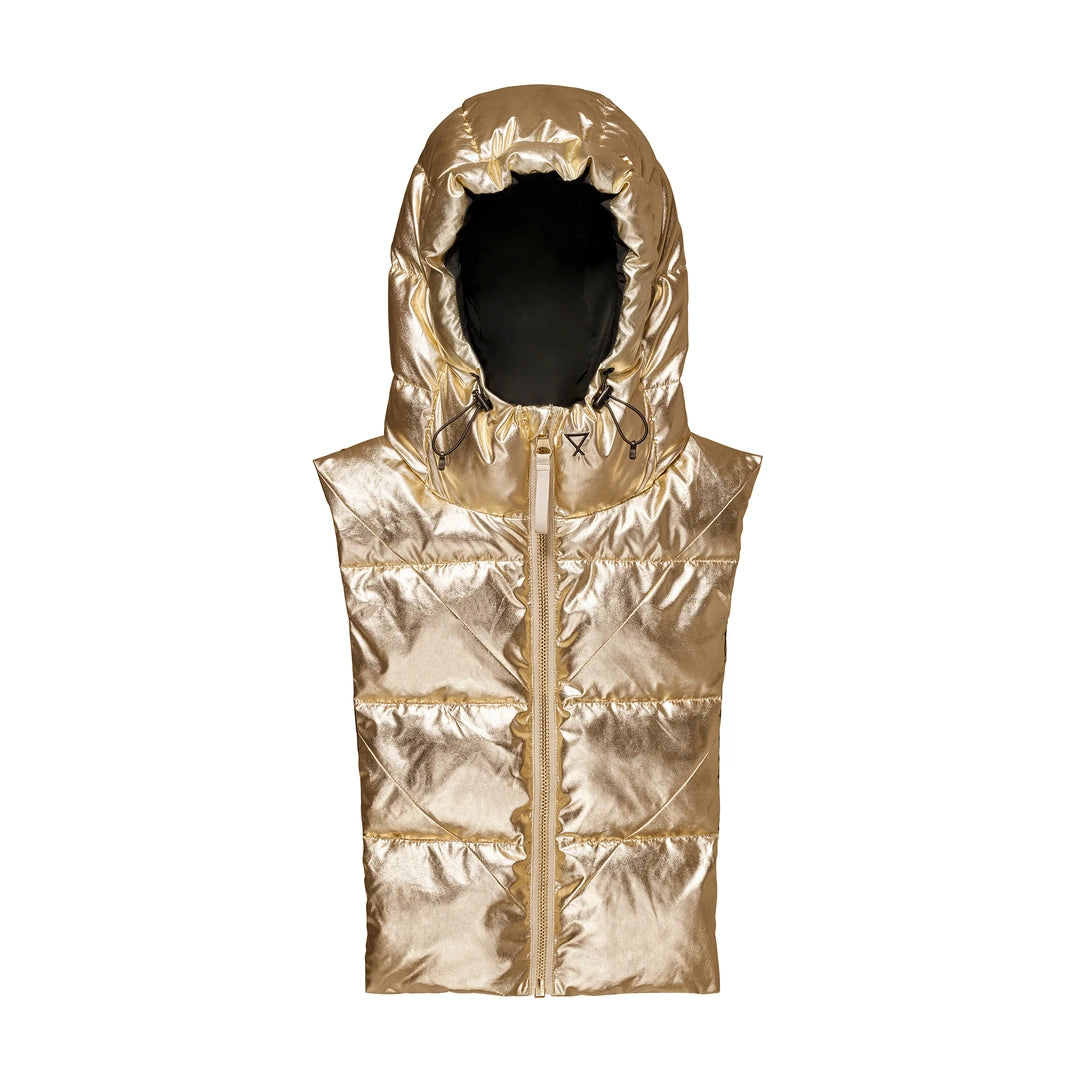
Fudoon hoods feature a water-repellent outer fabric made of recycled polyester and a 100% polyester “ Filling .” The care instructions, as listed on each product page, apply to all models, including the sherpa and ribbed velvet versions and the special cycling hood:
- Machine wash at 30 °C or lower. Close the zipper and empty the chest pocket before selecting the delicate cycle.
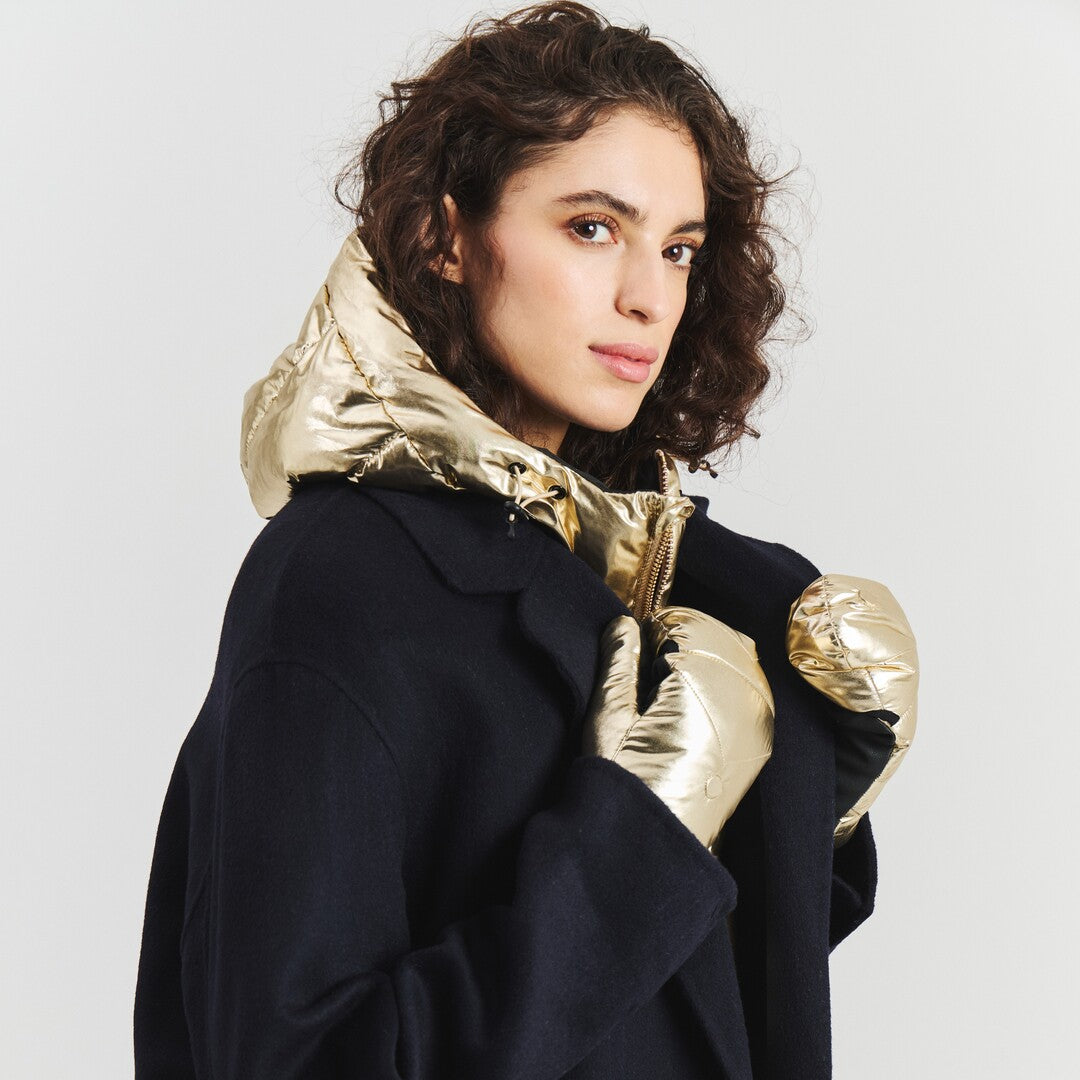
- Metallic fabrics (gold, silver): Use very little detergent and a very gentle spin cycle.
- Do not tumble dry. Let it air dry gently on a hanger or lay it flat to dry.
- Dry cleaning is available, provided that the dry cleaner does not use trichloroethylene or bleach. Please specify this when dropping off your items.
- Re-waterproof as needed. The fabric is water-repellent: water beads up and rolls off its surface. This treatment may wear off over time with repeated washings.

Re-waterproofing Your Hood
To see if it's time, pour a few drops of water onto the clean, dry fabric. If the drops bead up and roll off, the treatment is working. If they spread out and darken the fabric, reapply the waterproofing.
- Wash the hood and let it dry completely.
- Spray a fabric waterproofing spray (that does not require heat activation) onto the outer side of the fabric from a distance of about 15 cm.
- Let it air dry for the amount of time indicated on the package (often several hours) before wearing it. Do not use a dryer, iron, or hair dryer to speed up the drying process.
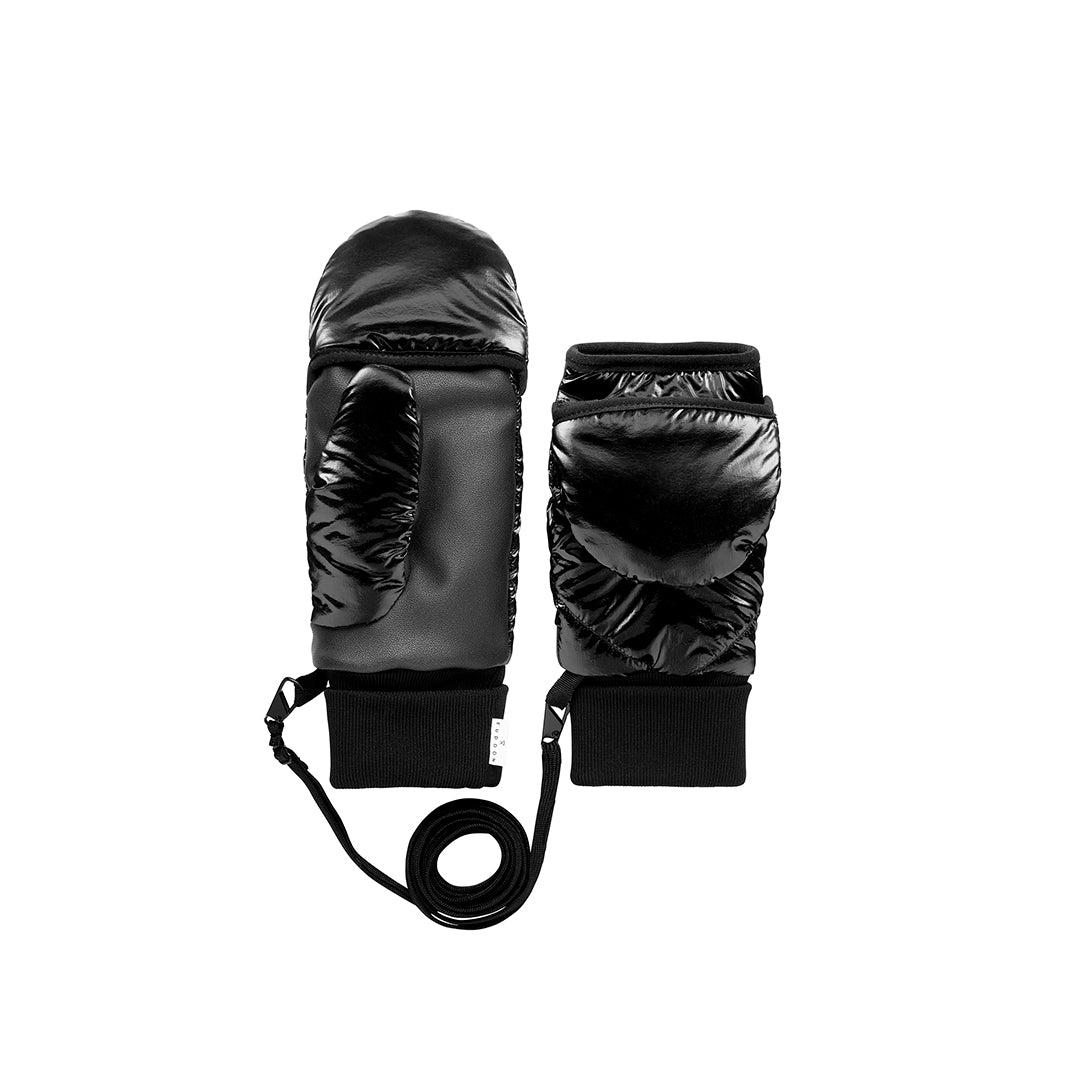
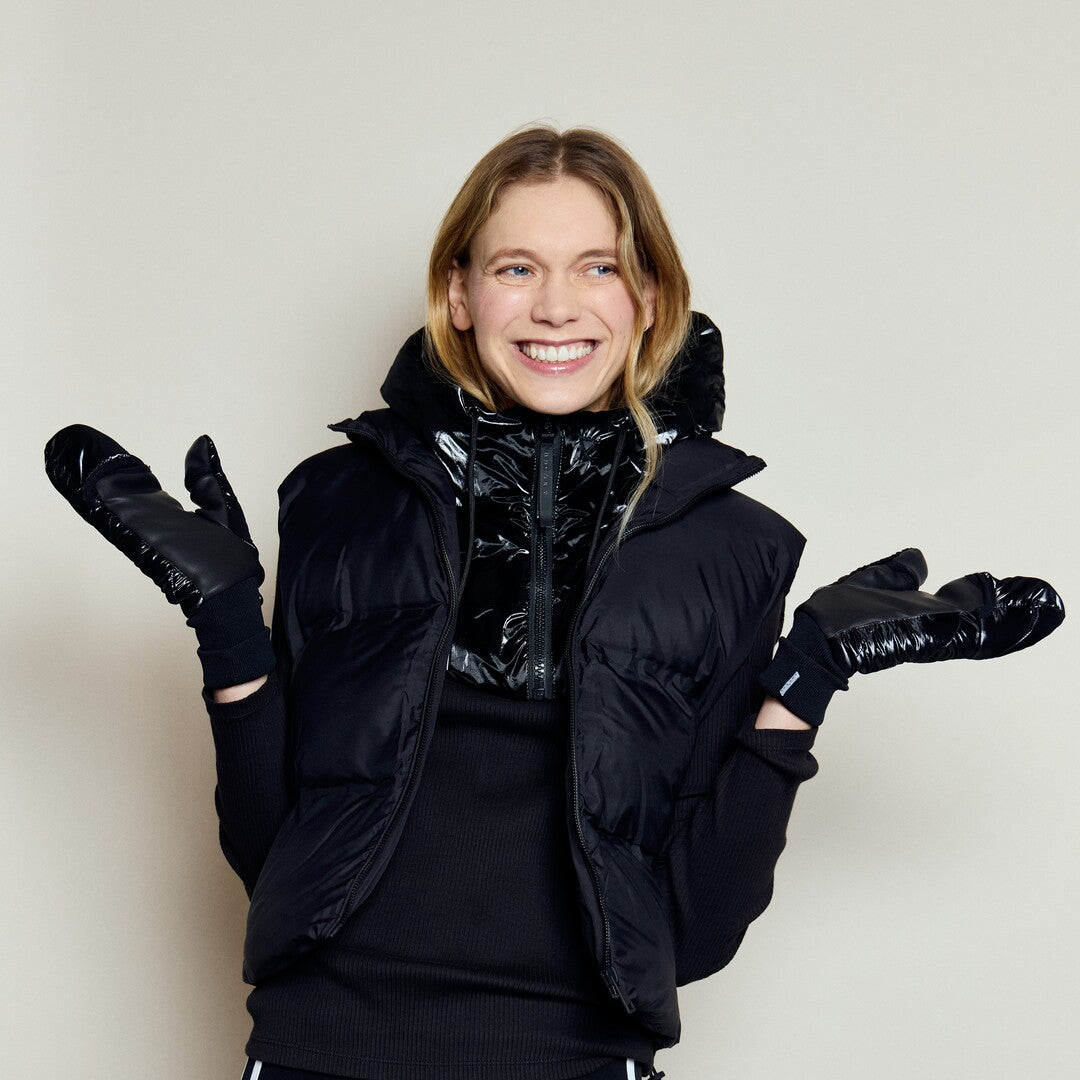
Fudoon 's convertible mittens, made of down-filled fabric with a fleece lining, often come with a hood: they are also machine-washable at 30 °C, should not be tumble-dried, and should be dried flat.
Mistakes That Can Ruin a Down Jacket
- Washing at too high a temperature. At temperatures above 30 °C, the water-repellent treatment wears out more quickly.
- Wring out thoroughly or twist. The " Filling " will bunch up, and the seams of the compartments may give way.
- Add fabric softener. It makes the down clump together and makes the fabric absorbent.
- Dry on a radiator or in direct sunlight. Direct heat weakens the synthetic fabric and dries the outside before the center of the Filling.
- Put a down jacket that says "Do Not Tumble Dry" in the dryer, such as one with a hood Fudoon.
- Don't put away your down jacket while it's still damp. It will develop a musty odor and may start to mold.
- Iron the down jacket. The iron melts or gives a sheen to the synthetic fabric.
- Washing too often. Once or twice per season is usually enough; between washes, spot-clean any stains.
Down or Synthetic: The Comparison Chart
| Down or feather-filled jacket | Synthetic down jacket (including hoods Fudoon) | |
|---|---|---|
| Temperature | 30 °C, delicate cycle | 30 °C, delicate or synthetics cycle |
| Spin Cycle | Gentle, 400 to 800 revolutions per minute | Gentle, 800 revolutions per minute at most |
| Laundry Detergent | Liquid laundry detergent specially formulated for down, without fabric softener | Mild liquid laundry detergent or detergent for technical fabrics, without fabric softener |
| Drying | Tumble dry on a low heat setting with 2 tennis balls or drying balls, if the care label permits | As indicated on the label. Hoods Fudoon : do not tumble dry; hang on a hanger or lay flat |
| Drying time | 3 to 5 hours in the dryer; several days air-drying | About 8 hours for a hoodie Fudoon ; several days for a thick down jacket |
| Dry Cleaning | It's possible—ask a dry cleaner who has experience with down jackets | Fudoon hoods: possible, without trichloroethylene or bleach |
Frequently Asked Questions
Can you hand-wash a down jacket?
Yes. Fill a basin or bathtub with lukewarm water—never hot—add detergent, and let it soak for 15 to 20 minutes while gently rubbing the stains. Rinse with clean water until there is no more foam, then press out the excess water without wringing and roll the down jacket in a towel. Drying follows the same guidelines as after a machine wash.
Can you take a down jacket to the dry cleaner's?
Yes, as long as the label doesn't prohibit it. For a hoodie Fudoon, tell the dry cleaner not to use trichloroethylene or bleach. For a down jacket, look for a dry cleaner who is familiar with this Filling : some solvents can reduce the loft of the down.
How often should you wash a down jacket?
Once per season is usually enough, or twice if you wear the down jacket every day. Wash it sooner if it’s visibly dirty or if the Filling looks flattened. Between washes, clean the collar and cuffs with a sponge and soapy water.
How do you get rid of the smell from a down jacket?
Air it out outdoors in the shade for a few hours. If the odor persists, spot-clean the collar and cuffs with soapy water, or use an odor-neutralizing spray for fabrics. An odor that develops after washing usually indicates that the Filling wasn't dried properly: put it back in the dryer until it's completely dry.