









Our closets tend to fill up quickly. However, the items we wear the most aren't necessarily the ones we have the most of.
Building a more sustainable wardrobe doesn't necessarily mean replacing everything or adopting a minimalist wardrobe overnight. It's mostly about making better choices: buying pieces that you truly love, that fit into your daily life, and that you'll be able to wear for a long time.
Here are a few simple habits to get you started.
1. Take stock of what you already have
Before buying a new item, the first step is often to take a look at what you already have. Which clothes do you actually wear? Which ones always end up at the back of the closet? Which colors do you wear most often?
Sorting through your clothes helps you better understand your own style and, above all, avoid buying the same items over and over again that serve exactly the same purpose. The goal isn't necessarily to have less, but to have a wardrobe that better reflects who you are.
2. Choose pieces that are easy to mix and match
An item that can be worn in ten different ways will generally be more useful than one that’s limited to a single outfit. So before making a purchase, you can simply ask yourself: What should I wear it with? If several ways to pair the outfit with clothes you already own immediately come to mind, that's a pretty good sign.
Neutral, easy-to-match colors like navy, chocolate brown, beige, or “ kaki ” can serve as a base, even if you plan to add more personality later with accessories.
3. Choose pieces that fit into your daily life
A sustainable wardrobe is also one that you actually wear. Before buying a new item, it’s important to think about your daily life and your needs.
If you regularly get around on foot or by bike, for example, certain items can quickly become essentials. A waterproof trench coat It’s designed for cycling and keeps you dry on rainy days while easily blending into your everyday outfit. It’s a practical piece, but you can also wear it simply because you love it.
It is this idea that guides the designs Fudoon : to design clothing and accessories that are useful in everyday life, without having to choose between practicality and style.
4. Choose pieces you can wear often
The more versatile a piece is, the more likely it is to remain in our wardrobe for a long time.
Visit trench coat, for example, can be worn over a T-shirt when the weather is mild, then paired with a sweater when it starts to get cooler. Its waterproof design also makes it a piece you’ll reach for as soon as the weather turns unpredictable.
The same logic applies to the hood Fudini : Lightweight, waterproof, and compact, it slips easily into a bag so you can pull it out in case of a sudden downpour. Rather than accumulating clothes that are only suitable for specific situations, we opt for versatile pieces that we can actually use every day.
5. Don't forget the accessories
Building a sustainable wardrobe isn't just about clothes. Accessories are important, too—especially when they can transform an outfit or meet a specific need.
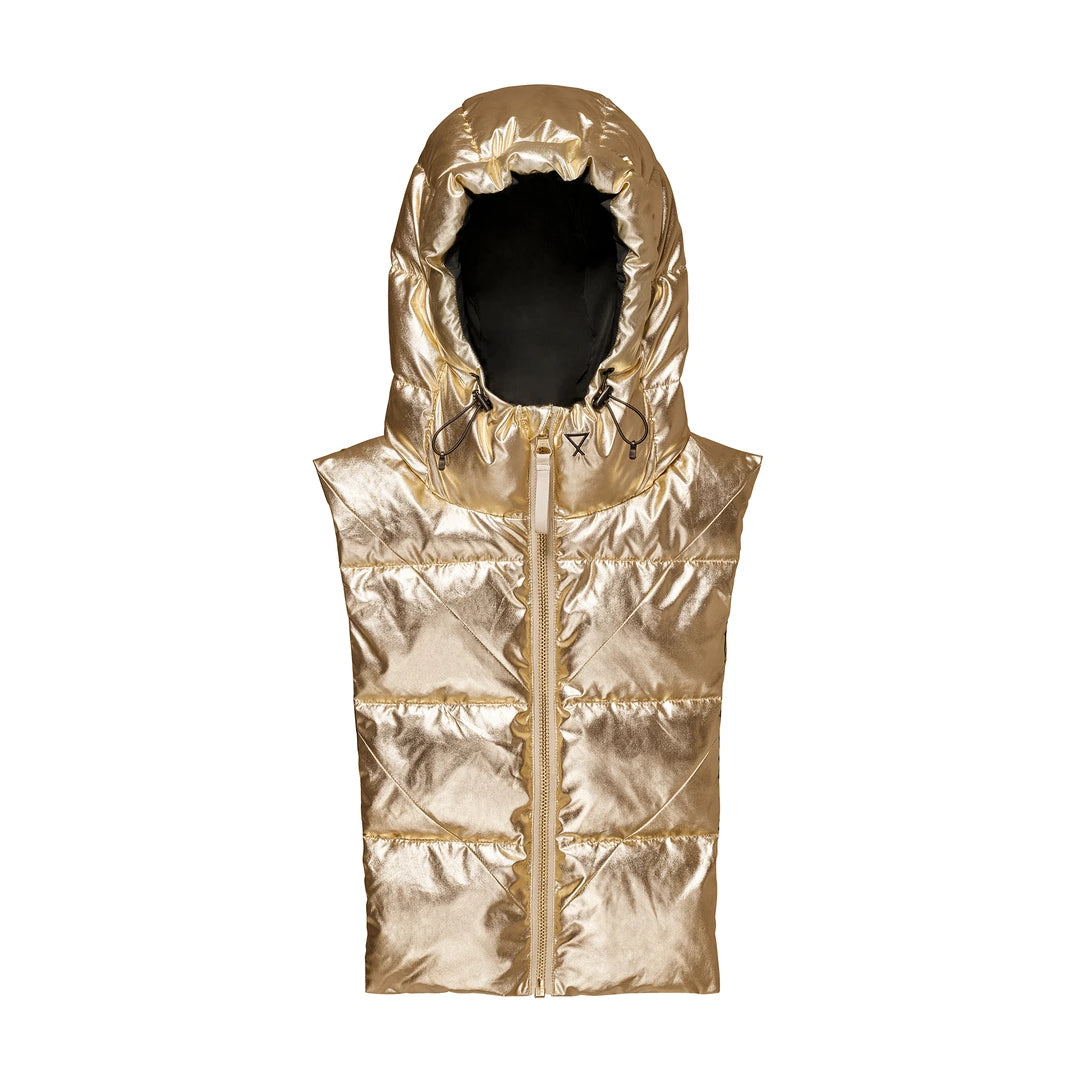
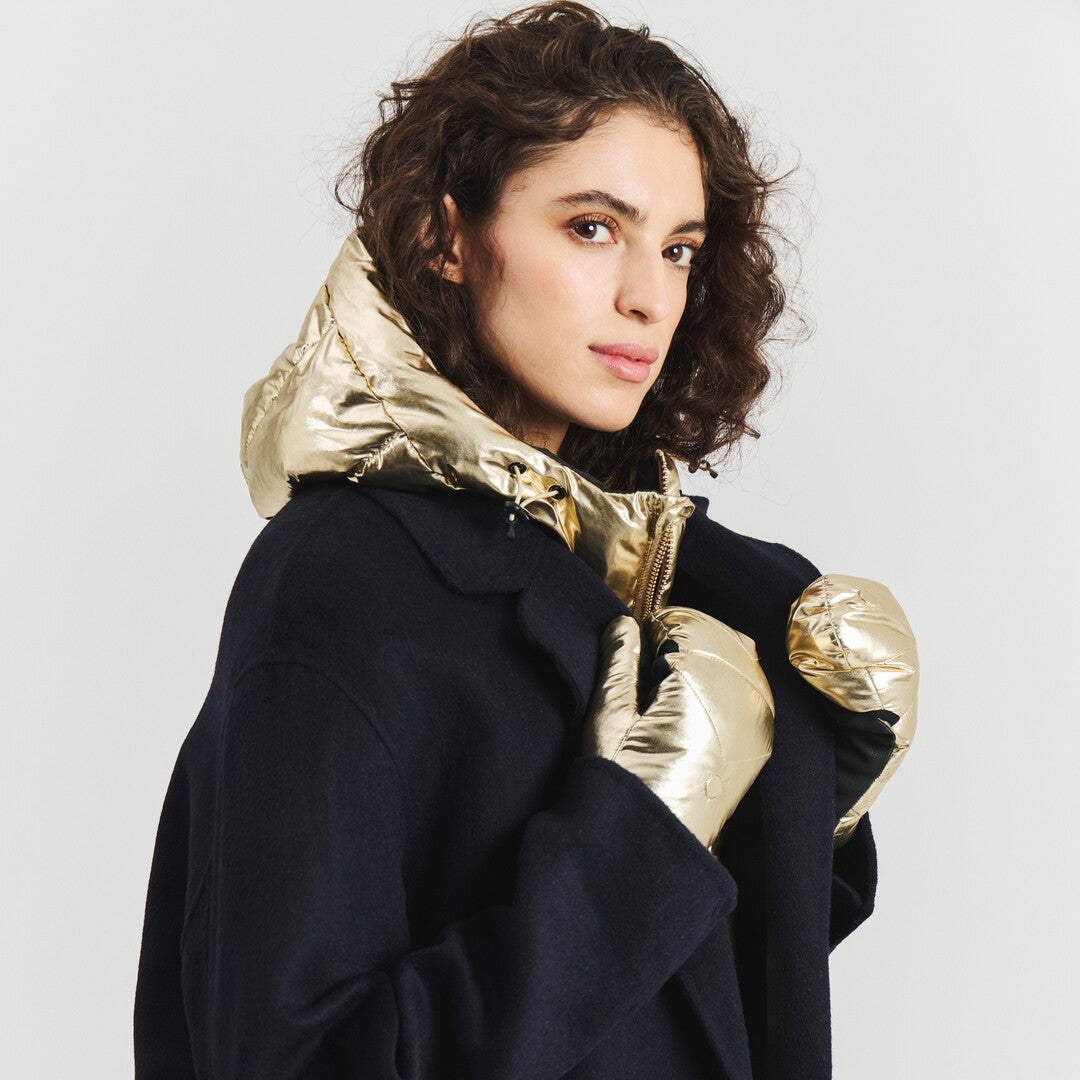
The hood Fudoon This is a good example. Designed to protect against rain and cold, it can replace the traditional hood while also becoming a key part of the look.
Velvet, sherpa, solid colors, or patterns: choose one Fudoon One that truly matches her style allows her to wear it with various coats and outfits, rather than limiting it to just one look.
6. Choose pieces that can be worn year-round
A sustainable wardrobe is also built with clothes and accessories that can be worn season after season.
A waterproof trench coat in the spring as well as at the start of the school year, one Fudini always ready in her bag when the weather is iffy, one Fudoon the ones we pull out as soon as the first cool days arrive… These are often the pieces we end up wearing the most.
So the goal isn't necessarily to have fewer clothes, but to choose more pieces that truly have a place in our daily lives and that we'll want to keep for a long time.
7. Shop Less Impulsively
Finally, one of the simplest habits is to wait a little while before making certain purchases. Do we really like this item? Does it match our style? Can we already think of several occasions to wear it?
A sustainable wardrobe isn't built all at once. It evolves gradually, in step with your needs and desires.
A wardrobe designed to last, but above all to be worn. There's no such thing as the perfect sustainable wardrobe. What matters most is gradually building a wardrobe that fits your lifestyle: clothes you love, that are easy to mix and match, and that you enjoy wearing year after year.

Visit
-By Margot Deleau